Trasmutazione per l’indicibile
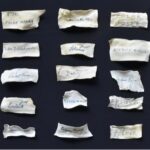
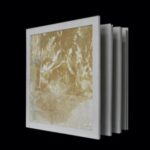
Le opere dell’artista Bela Gold ci impongono un forte interrogativo che scuote le coscienze, chiamate a ricordare gli eventi storici che furono. Sono tracce forti, come presenze dal passato che riemergono con grande forza sino a creare una grande ricerca che fa riferimento a fatti ed eventi realmente accaduti. Ispirata dalla realtà e dal passato che ha caratterizzato le civiltà odierne, la sua opera è un insieme di tecniche e stili difformi tra di loro ma tenuti insieme dalla forza evocativa dell’arte. Così prendono forma i ricordi, incisi sulla materia artistica che diventa l’oggetto reale dell’opera d’arte. Profondamente evocativa, la produzione dell’artista Bela Gold si rivela in tutta la sua complessità, mostrando un lato fortemente storico delle opere rappresentate. Il suo è uno stile unico che fa eco a certe situazioni realmente esistite. Lei le ha ricordate e ora tutti i brandelli di vita catturati dall’artista si impongono come memorie per i cittadini, per chi è ancora troppo giovane per ricordare; è una volontà salda, la sua. Riportare in vita certe situazioni antiche, socialmente scomode e che molto hanno avuto a vedere con la parola memoria. Sono frammenti di vite vissute, che né il fuoco né il tempo hanno saputo cancellare, anzi, il loro significato è arrivato sino ai nostri giorni, portando con sé tutto ciò che è legato ai ricordi affettivi. Sia quelli un tempo vissuti, sia quelli solo immaginati. Le sue opere sono memorie dell’oggi che catturano attraverso il messaggio il significato profondo di quello che la storia ci ha consegnato, e i suoi disegni, le sue collezioni artistiche polivalenti hanno segnato una strada aperta al ricordo e consegnata alla memoria, affinché certe situazioni non siano più ripetibili. Nelle sue serie, che siano i disegni o i tatoos emerge davvero il dato storico, come a voler creare una sorta di “archivio mobile” per la memoria. Le sue serie sono inspirate alle opere e ai libri distrutti perché considerati dissidenti e scomodi. Voci fuori dal coro in un tempo in cui sull’Europa soffiava un gelido vento di distruzione. Le sue opere ci ricordano ciò che è stato, in una prospettiva di messa in scena del ricordo attraverso l’orrore e la fredda disamina, affinchè certe distorsioni non si ripresentino più nella nostra società che è il futuro, e che stiamo consegnando carichi di problemi, dubbi ed incertezze sul domani.
Dott.ssa Elena Gradini, critico e storico dell’arte
Transmutation for the Unspeakable
The works of artist Bela Gold pose a powerful question that shakes our consciences, calling us to remember historical events of the past. They are powerful traces, like presences from the past that re-emerge with great force, creating a comprehensive exploration that references true facts and events. Inspired by reality and the past that has shaped today’s civilizations, her work is a blend of diverse techniques and styles yet held together by the evocative power of art. Thus, memories take shape, engraved on the artistic material that becomes the actual object of the artwork. Deeply evocative, the artist Bela Gold’s production reveals itself in all its complexity, revealing a deeply historical side to the works she represents. Her unique style echoes certain real-life situations. She remembered them and now all the fragments of life captured by the artist stand as memories for the citizens, for those still too young to remember; it’s a strong will, hers. To bring back to life certain ancient, socially uncomfortable situations that had much to do with the word memory. They’re fragments of lives lived, which neither fire nor time have been able to erase. Indeed, their meaning has reached our days, bringing with it everything tied to emotional memories. Both those once lived and those only imagined. Her works are memories of today that capture through their message the profound meaning of what history has handed down to us, and her drawings, her multipurpose art collections have paved a path open to recollection and consigned to memory, so that certain situations can never be repeated. In her series, whether drawings or tattoos, the historical element truly emerges, as if she wanted to create a sort of “mobile archive” for memory. Her series are inspired by works and books destroyed because they were deemed dissident and inconvenient. Discordant voices at a time when a cold wind of destruction was blowing across Europe. Her artworks remind us of what has happened, staging memory through horror and cold scrutiny, so that certain distortions never recur in our society, which is the future, and which we are handing over burdened with problems, doubts, and uncertainties about tomorrow.
Commenti recenti